Commercial Lock Change NYC — Storefronts to Offices
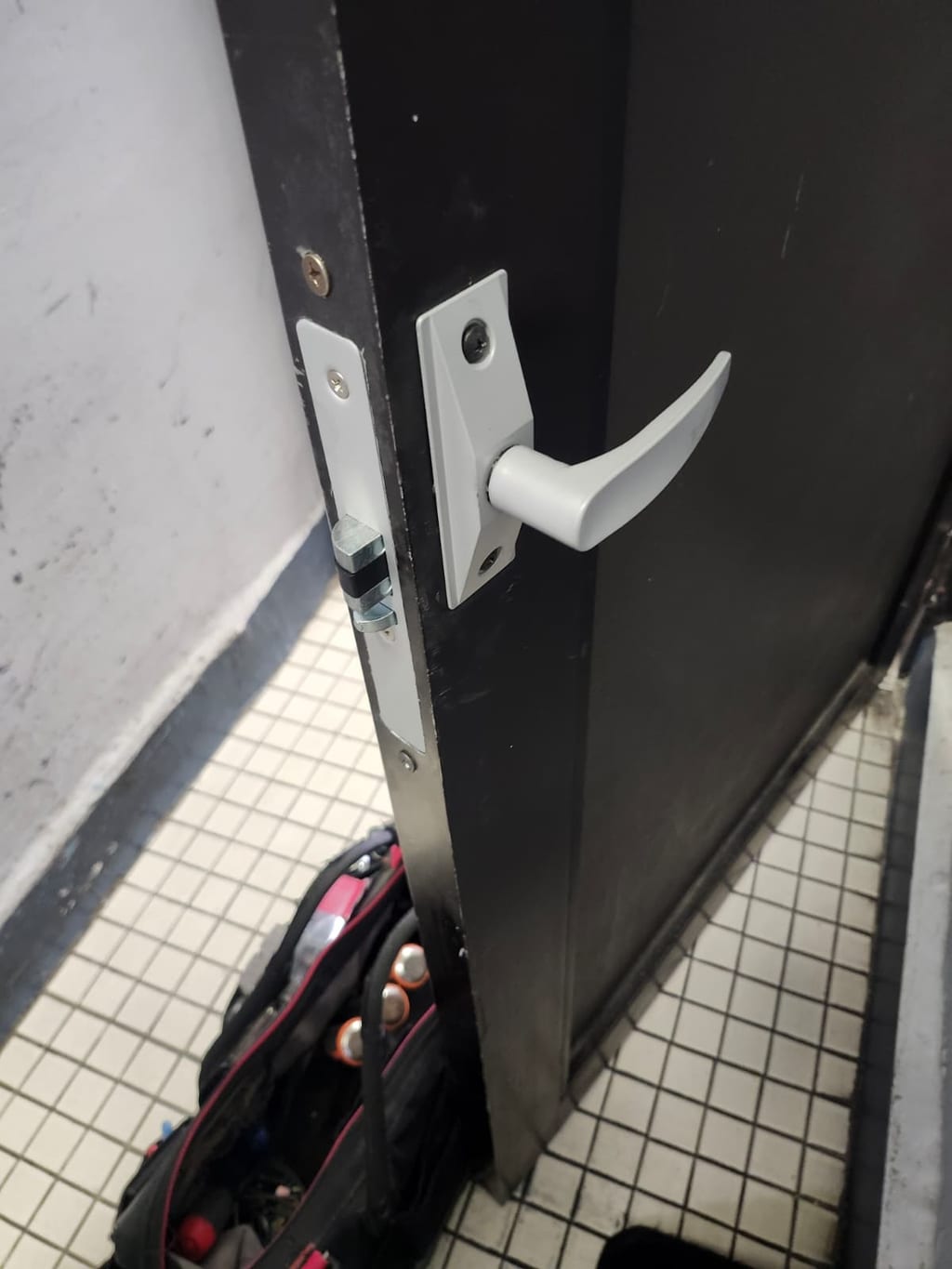
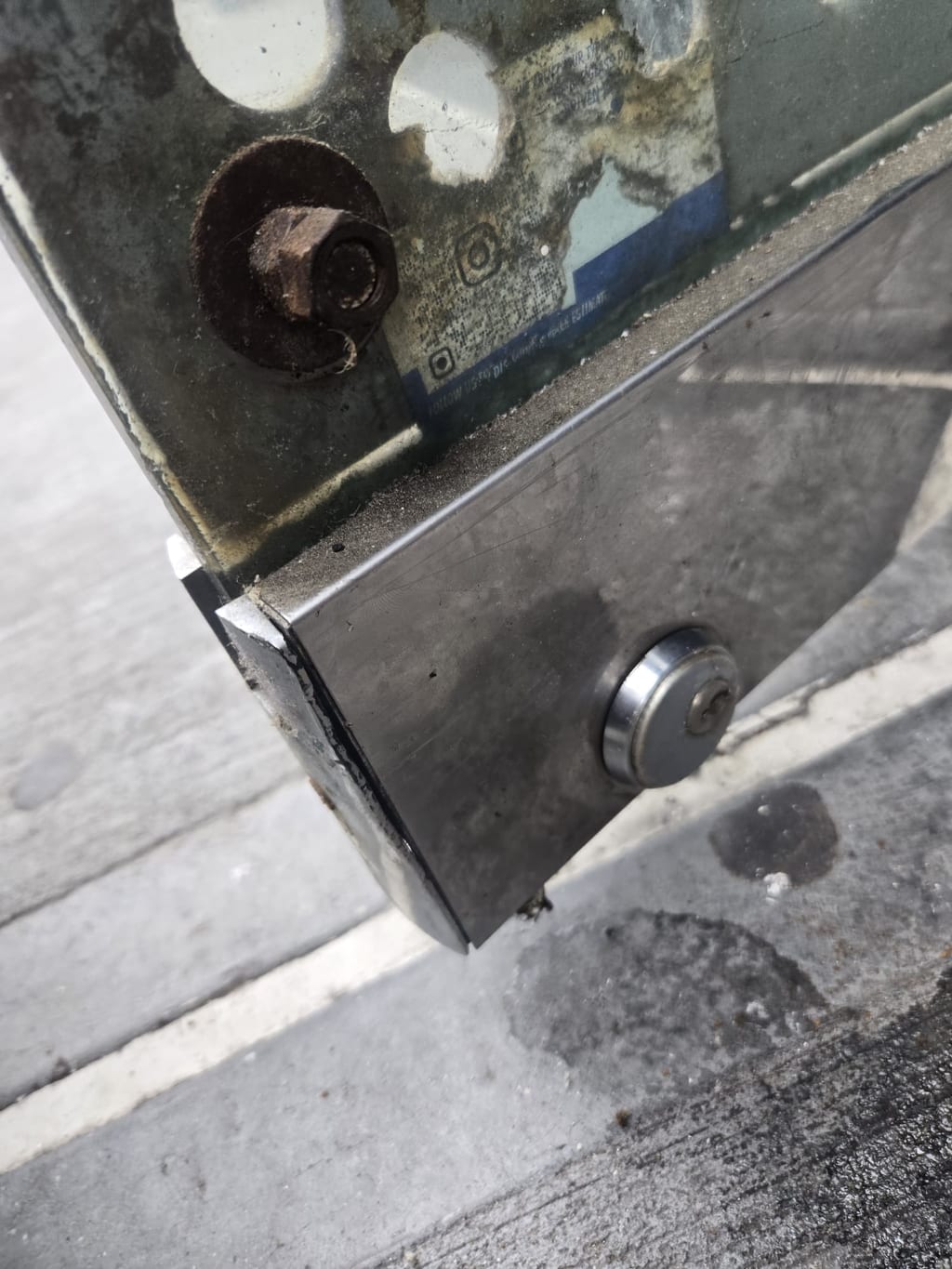
Businesses change locks for exactly three reasons: someone who should not have keys does, the hardware wore out, or the security needs outgrew the lock. We handle all three across NYC. This April we performed a complete business lock change at St. Marks Place & 2nd Ave in the East Village; in June we replaced a failed commercial Adams Rite lock at 116th St & Broadway in Morningside Heights. All photographed on our recent jobs page. Licensed NYC #2096389-DCA. Call (917) 495-1990.
The Three Calls We Get
"Someone Has Keys Who Shouldn't"
A fired employee, a former partner, a contractor who never returned the spare. A complete lock change, like the one we did at St. Marks Place & 2nd Ave in the East Village in April, means none of the old keys work anymore. When the hardware is good, a rekey gets the same result cheaper — and if the departed person held a master key, we rekey the affected doors too. We handle commercial cylinders and hardware on site.
"The Lock Finally Died"
Commercial hardware fails from sheer traffic. The Morningside Heights storefront in June had a failed Adams Rite deadlatch — the standard hardware on NYC's aluminum-and-glass storefront doors, and a specialty of ours. The leverset repair at E 116th St & 5th Ave in East Harlem this July was the same category. When it dies, we replace it with Grade 1 hardware rated for the traffic that killed its predecessor; see commercial lock installation.
"We Need Better Than What We Have"
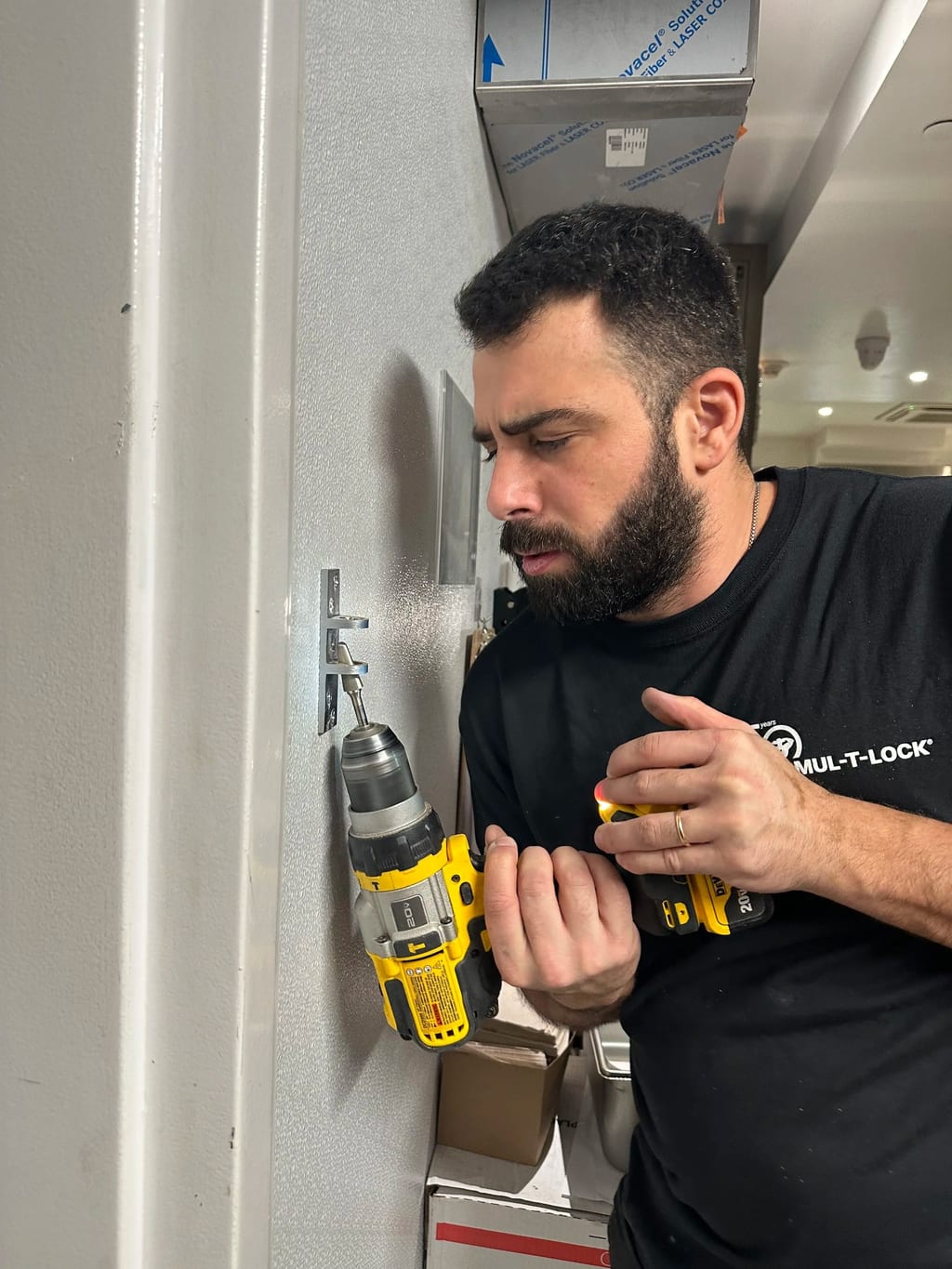
Sometimes nothing is broken, but builder-grade hardware on a business door is an invitation. Upgrades usually mean Grade 1 leversets or mortise locks, high-security cylinders with restricted keys — Medeco, Mul-T-Lock — and reinforcement on the vulnerable rear door. See commercial high-security locks.
Change vs. Rekey vs. IC Core — Straight Answers
A full change replaces the hardware; a rekey re-pins your existing cylinders so old keys die; an interchangeable core system — like the IC core replacement we did this April — makes every future "lock change" a core swap you can even do yourself. Rekeying is the lighter job when hardware is healthy. Changing is right when hardware is worn or you are upgrading grades. IC cores are right for businesses that expect turnover. We tell you which one your situation actually needs, even when it is the cheaper one.
Keying the New Locks Properly
A lock change is the moment to fix key sprawl. We key new cylinders alike so one key runs your doors, or build a master key hierarchy — owner's key opens everything, staff keys open exactly what they should. On restricted keyways, hardware-store copies become impossible: every key in circulation is one you authorized with your card at a licensed dealer.
Storefronts, Offices, and Everything With a Door
Aluminum storefronts with deadlatches and hookbolts, office suites on mortise hardware, warehouses and loading doors, restaurants with alarmed rear exits, gates and padlocked utility rooms — commercial lock change covers all of it, and the exit-door side connects to panic hardware we also install and service. One vendor, one invoice, every door working.
Frequently Asked Questions
Can you change our locks after firing an employee?
Yes, and it gets priority dispatch. We work on commercial cylinders and Grade 1 hardware on site. If the employee held a master key, tell dispatch so we rekey every affected door.
Should we rekey or fully change the locks?
If the hardware is healthy and the problem is who holds keys, rekey — it is cheaper and equally effective at killing old keys. Change the hardware when it is worn, broken, or below the grade a business door needs. We look at the doors and tell you honestly which one you need.
Can you change locks on an aluminum storefront door?
Yes — narrow-stile aluminum doors take Adams Rite–pattern deadlatches and hookbolts, not standard locks, and they are routine work for us. The failed storefront lock we replaced at 116th St and Broadway this June is on our work page with photos.
What are interchangeable cores and should we use them?
IC core locks let the cylinder core swap out with a control key — no hardware comes off the door. For businesses with staff turnover it turns every future lock change into a core swap. We installed exactly this for a client in April; ask for it if turnover is your pattern.