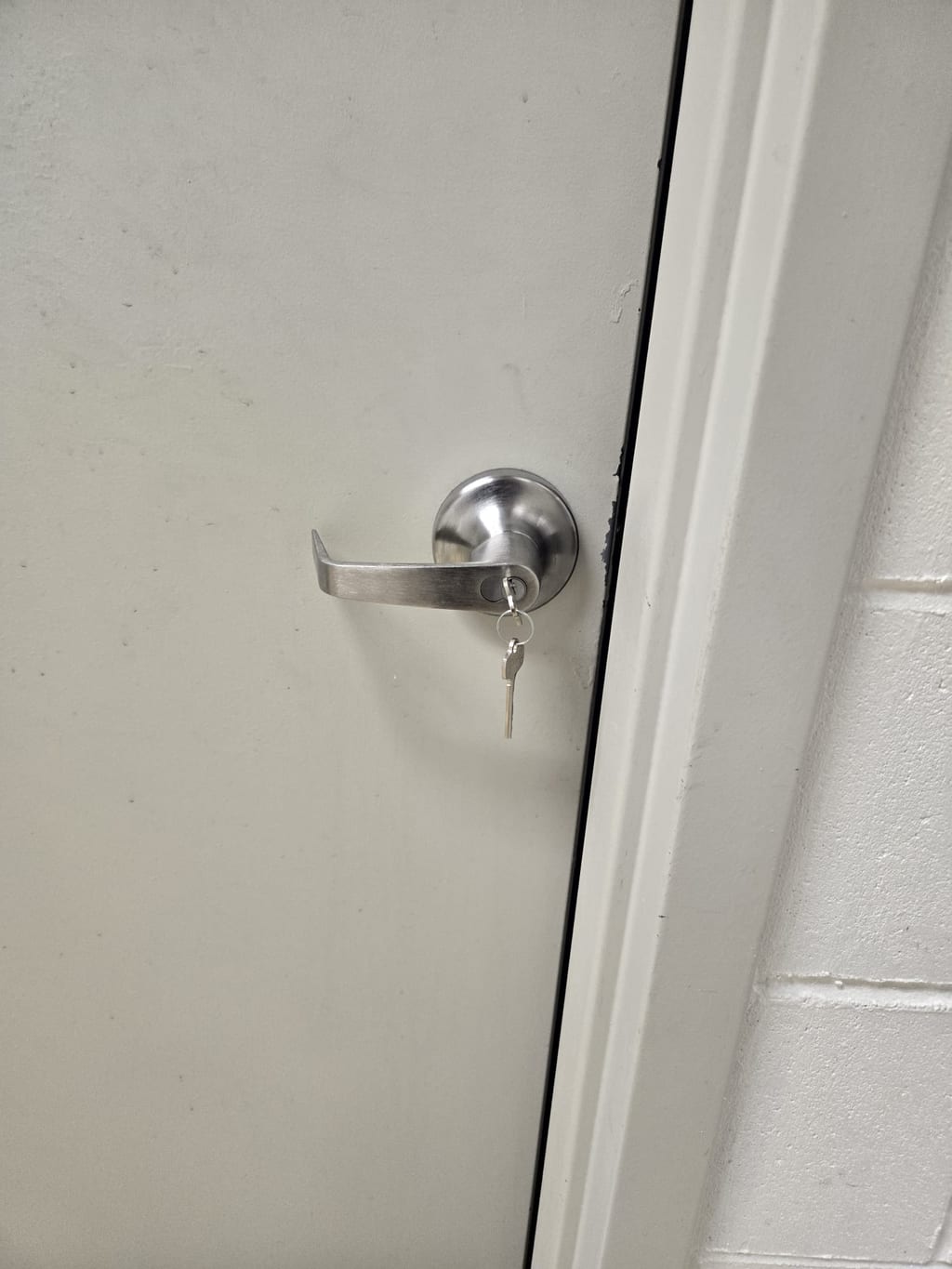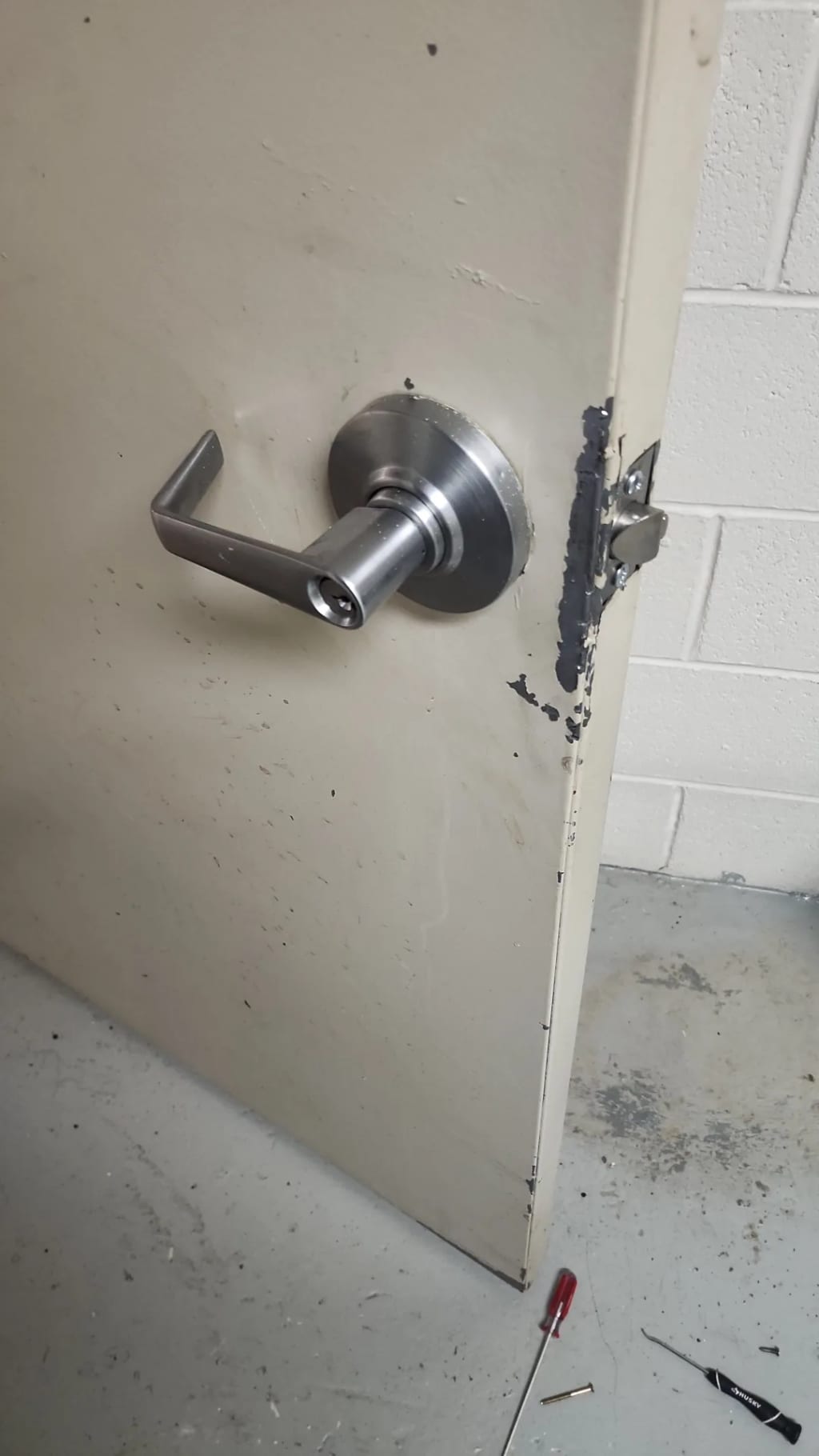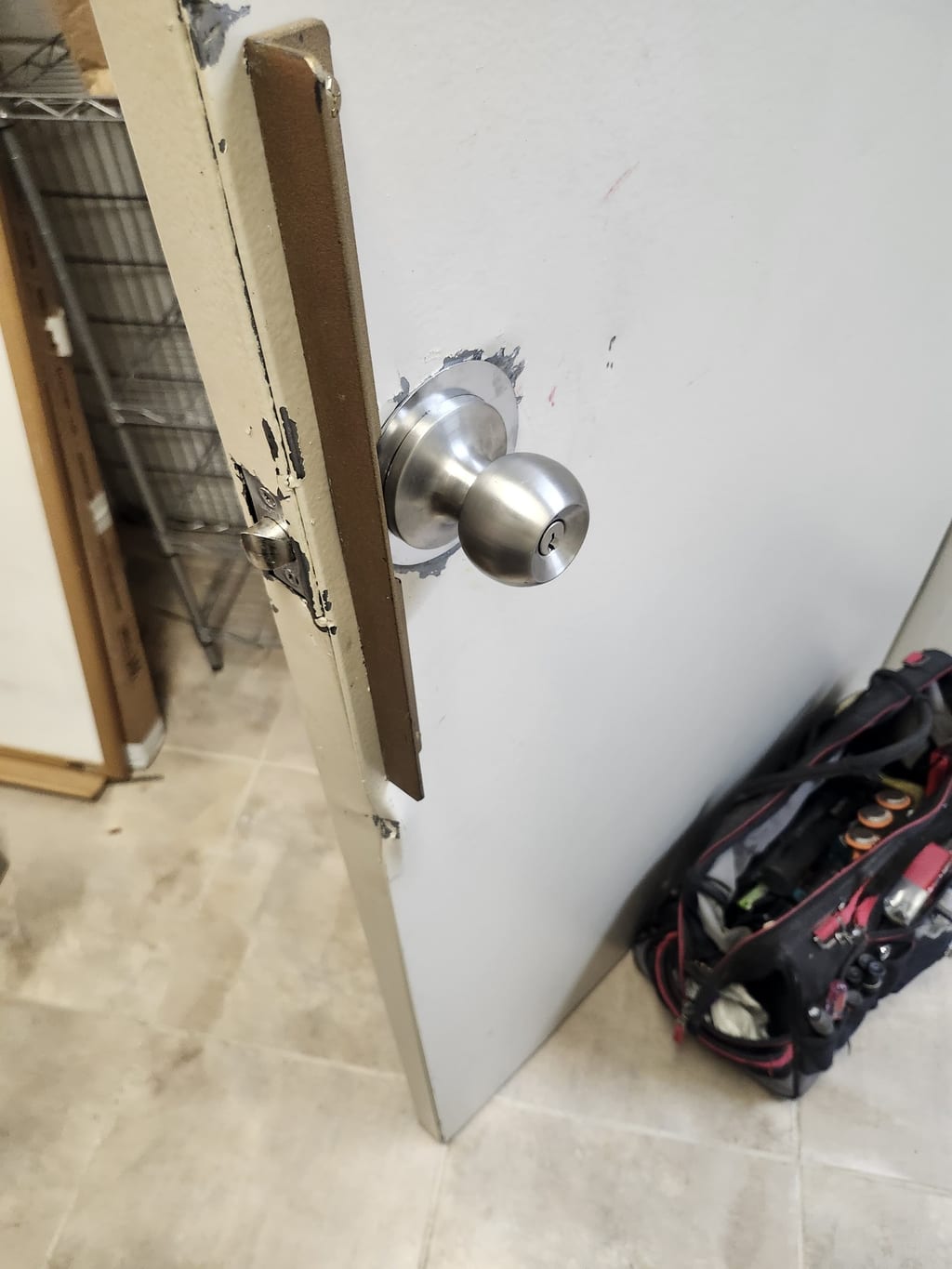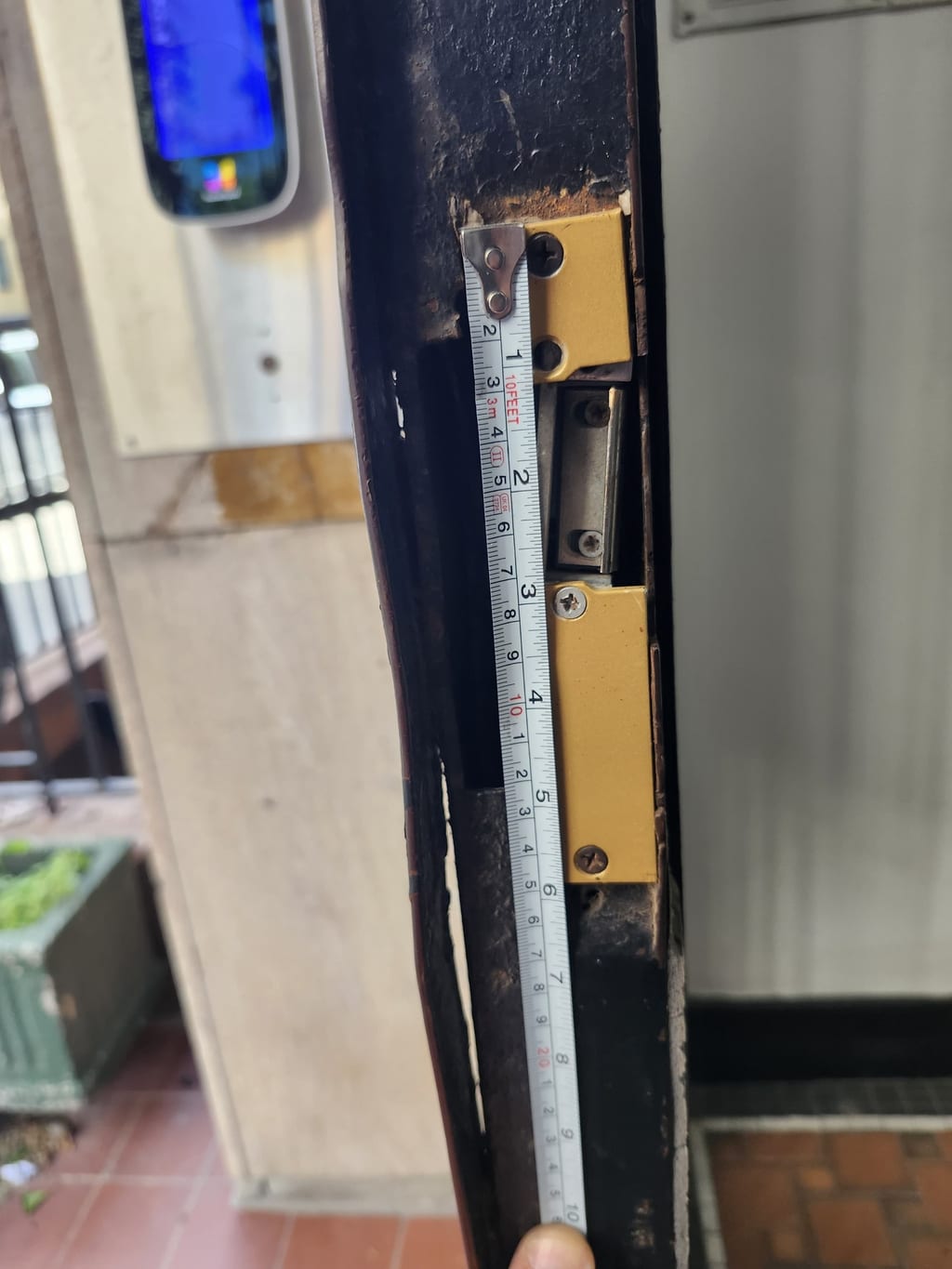
Commercial Lock Installation NYC — 24/7 Service

Commercial lock installation NYC relies on requires durable hardware designed for heavy daily use. Sunny Locksmith provides expert setup for offices, retail stores, and warehouses across the city. Securing a business property often involves selecting the right type of access control or mechanical lock. High-traffic doors face constant wear, so quality hardware makes a noticeable difference. Furthermore, property managers need solutions that handle employee turnover effectively. Therefore, finding the proper lock type helps improve your overall business security. The team installs a wide variety of commercial-grade options to fit any door type. Above all, rapid response is available 24/7 for urgent hardware needs. For more information, please visit our homepage or call us directly.
Commercial Lock Installation for NYC Businesses
Securing Retail Storefronts
Retail shops in the city see high volumes of daily foot traffic. Consequently, entry doors require locks that endure constant push and pull action. Glass aluminum doors commonly feature mortise cylinders or specialized hook bolt mechanisms. These components are designed to resist unauthorized access during off-hours. Also, storefronts often utilize thumb-turn cylinders on the inside for easy exit. Properly aligning these systems allows them to function smoothly day after day. Good installation keeps the door operating correctly without placing stress on the metal frame. This means business owners can lock up efficiently at closing time.
Office Building Security Needs
Office environments often require a mix of public access and private security. Front entrances might use electronic strikes, while private offices use traditional keyways. Therefore, commercial lock installation NYC involves matching the hardware to the specific room function. Schlage ND series cylindrical locks are a recommended option for interior office doors. Additionally, heavy-duty deadbolts can be added to storage closets or server rooms for extra protection. Establishing a clear key hierarchy helps management maintain control over the entire space. A well-planned lock system reduces the risk of unauthorized entry into sensitive areas.
Warehouse and Industrial Doors
Industrial properties demand the heaviest grade of lock hardware available. Warehouses typically feature large metal doors that require rugged deadbolts or rim cylinders. Grade 1 commercial locks are highly recommended for these tough environments. Specifically, these locks handle physical wear and harsh environmental conditions very well. Exterior shipping doors also benefit from robust locking mechanisms. Meanwhile, personnel doors need hardware that closes securely behind every user. The right setup protects valuable inventory stored inside the facility. Overall, strong hardware helps deter unauthorized entry effectively at all access points.
Hardware Options for Commercial Spaces
Grade 1 Commercial Locks
Grade 1 hardware represents the highest level of durability for commercial use. Consequently, these locks handle millions of cycles over their lifespan. Facilities with high daily use benefit greatly from Grade 1 cylindrical or mortise locks. Brands like Schlage and Dorma offer excellent options for these demanding applications. Furthermore, this heavy-duty hardware resists forceful impacts better than standard light-duty locks. Schools, hospitals, and busy office buildings frequently utilize this grade of equipment. Opting for Grade 1 installation gives property owners a highly reliable security solution.
Electric Strikes and Access Control
Modern businesses often move beyond traditional keys and adopt electronic access control. Electric strikes allow doors to remain locked from the outside while permitting remote unlocking. For example, a receptionist can buzz visitors in without leaving the front desk. HES electric strikes are available for various commercial door frame types. Additionally, these electronic systems pair easily with keypads, card readers, or biometric scanners. This setup offers highly secure and convenient access for authorized personnel. Also, lost key issues drop significantly when using electronic credentials instead of physical brass keys.
Exit Devices and Panic Bars
Emergency exits require specific hardware to allow rapid egress from the building. Panic bars, also known as crash bars, release the latch when pushed from inside. Von Duprin exit devices are a recommended option for reliable performance. Therefore, commercial lock installation frequently includes setting up these horizontal push bars. They provide simple exit capability while keeping the exterior highly secure. Many panic bars also integrate with exterior keyed cylinders or electronic trims. As a result, staff can enter from the outside using a key when necessary.
Door Types and Installation Nuances
Glass Aluminum Entry Doors
Many commercial storefronts feature glass aluminum doors that require specialized narrow stile locks. These frames lack the depth found in standard wood or metal doors. Therefore, Adams Rite style mortise deadlatches or hook bolts are typically installed. The hardware must fit properly within the narrow aluminum channel. Furthermore, surface-mounted exit devices can also be adapted for these glass doors. Precision installation keeps the glass safe and helps the lock operate smoothly. A correctly aligned lock cylinder prevents sticking and extends the life of the hardware.
Solid Core Wood Office Doors
Interior office doors are frequently constructed from solid core wood. These doors accommodate a wide variety of cylindrical and mortise locksets. Boring the correct hole sizes is critical during the initial setup phase. Specifically, the backset must align properly with the latch to prevent binding. Heavy-duty commercial levers are commonly chosen for these interior wood doors. Additionally, property managers often choose interchangeable core (IC) systems for easy rekeying later. The wood material provides a strong anchor for the lock mounting screws.
Hollow Metal Exterior Doors
Service entrances and back exits commonly utilize hollow metal doors. These tough doors provide an excellent barrier against physical access attempts. Consequently, they require heavy-duty locks and reinforced strike plates. Technicians often install deadbolts and door closers on these metal surfaces. Metal doors demand precise drilling and tapping to secure the hardware properly. Moreover, latch guards are frequently added to protect the locking mechanism from tampering. A solid metal door paired with a Grade 1 lock creates a highly secure entry point.
Planning and Setup for Business Locks
Matching Locks to Foot Traffic
Choosing the right lock depends heavily on the expected daily foot traffic. A boutique shop experiences different wear patterns than a bustling corporate headquarters. Therefore, evaluating the door usage helps determine the necessary hardware grade. High-traffic doors need components that will endure continuous use over time. Meanwhile, a low-traffic utility closet can utilize a simpler commercial cylindrical lock. This targeted approach focuses resources on maintaining strong security where it matters most. Every door receives the specific equipment it needs to function reliably.
Integrating with Master Key Systems
Many businesses require a master key system to manage access efficiently. A master key setup allows management to open all doors with a single key. Conversely, employees only receive keys that open their specific designated offices. When completing a commercial lock installation NYC project, cylinders can be pinned to accommodate this hierarchy. Restricted keyways make it difficult for unauthorized users to duplicate keys at local hardware stores. Furthermore, IC cores allow the business to swap locks rapidly if a key goes missing. This modular approach keeps the property well-secured at all times.
Upgrading Older Hardware
Outdated locks can become sticky, difficult to turn, or visibly worn over time. Consequently, upgrading to modern commercial hardware improves both security and everyday convenience. Removing the old lock often reveals wear on the door frame that needs reinforcement. Setting up the new lock involves fitting it securely into the existing preparation. Sometimes, specialized wrap-around plates are used to cover old holes and add strength. Upgrading also provides an opportunity to switch to more advanced access methods. Business owners frequently transition from standard keys to high-security options during this phase.
When to Request Commercial Lock Installation in NYC
Moving into a New Commercial Space
Taking over a new commercial lease usually requires an immediate security update. Previous tenants or contractors might still possess copies of the old keys. Therefore, installing new locks is a highly recommended first step before moving inventory. This proactive measure establishes a fresh baseline for building security. You gain complete control over who has access to the premises from day one. Additionally, the existing hardware might not suit your specific business operations. Upgrading immediately sets the right foundation for your new location.
Reacting to Security Concerns
Property managers often seek new lock installations after a security incident. Replacing damaged hardware restores the physical barrier of the door quickly. Moreover, upgrading to heavy-duty deadbolts helps deter future unauthorized entry attempts. Staff members feel more comfortable when reliable locks are in place. Installing reinforced strike plates adds another layer of defense to the frame. Business owners should address compromised access points as quickly as possible. Rapid response service is available around the clock to secure the building without delay.
Accommodating Business Expansion
Growing businesses frequently add new office spaces or expand into adjacent units. As a result, these new areas need locks that match the existing company infrastructure. Extending a master key system to the new doors simplifies access for management. Furthermore, additional employees might require the installation of new keycard readers. Scaling the physical security alongside the business growth keeps operations running smoothly. Quality commercial lock installation NYC adapts to the changing needs of the enterprise. Consistent hardware across the facility also maintains a highly professional appearance.
Types of Commercial Lock Mechanisms
Mortise Locksets
Mortise locks are widely used in commercial buildings across the city. The entire lock body sits inside a pocket cut directly into the door edge. Consequently, this design provides exceptional strength and durability for heavy use. Mortise locksets combine a deadbolt and a latch into a single robust unit. They also support a wide variety of handle styles and decorative trims. Commercial properties prefer mortise locks for their longevity and daily reliability. Installing a mortise lock requires specialized tools and careful door preparation.
Cylindrical Lever Locks
Cylindrical locks fit into a standard hole bored through the face of the door. Specifically, lever handles are heavily favored in commercial environments for ease of use. They allow quick operation for employees carrying boxes or materials. Grade 1 and Grade 2 cylindrical locks handle high traffic effectively. Furthermore, they are generally faster to install than mortise locksets. Schlage and LCN offer excellent cylindrical options for interior and exterior doors. They remain a reliable staple for office buildings and retail spaces.
Interchangeable Core (IC) Cylinders
Interchangeable cores offer incredible flexibility for business owners and property managers. The lock core can be removed and replaced without disassembling the entire lock body. A special control key extracts the core in seconds. Therefore, rekeying an entire department takes minimal time and effort. Best IC cores are highly recommended for large facilities with high employee turnover. This system drastically reduces the long-term maintenance costs associated with rekeying. The hardware stays on the door while the keying configuration changes instantly.
Door Closers and Commercial Hardware Integration
Importance of Surface-Mounted Closers
A commercial lock only works if the door actually closes and latches securely. Door closers are hydraulic devices that pull the door shut after someone passes through. Therefore, installing a reliable closer is just as important as the lock itself. LCN 4040XP and Dorma closers are excellent choices for heavy exterior doors. They control the swing speed and help the latch click into place automatically. Without a proper closer, wind or draft pressure might keep the door slightly ajar.
Pairing Closers with Electronic Locks
Electronic strikes and magnetic locks rely heavily on proper door alignment. The door closer helps the strike plate and the latch meet properly consistently. Consequently, the electronic locking mechanism can secure the door without binding. Proper adjustment of the closing force overcomes the resistance of thick weatherstripping. This integration helps the building access control system function reliable. Regular maintenance of the closer extends the lifespan of the entire hardware setup. Properly adjusted doors provide a seamless entry experience for staff and visitors.
Maintaining Your Commercial Locks
Routine Hardware Checks
Heavy-use doors benefit from periodic visual inspections and basic maintenance. Property managers should check levers for sagging or loose mounting screws. Tightening these components helps avoid internal damage to the lock chassis. Furthermore, checking the strike plate alignment supports the deadbolt extends fully into the frame. Catching small alignment issues early helps prevent lockouts and stuck keys later. Regular attention keeps the physical security of the building highly reliable.
Lubrication and Cleaning
Commercial lock cylinders accumulate dust and debris over time. Applying specialized lock lubricant keeps the pins moving smoothly inside the housing. Technicians recommend avoiding standard penetrating oils, as they attract dirt. A well-lubricated lock accepts the key easily and turns without excessive force. In addition, cleaning the exterior trim keeps the hardware looking professional. Simple maintenance steps preserve the investment made in high-quality commercial locks.
Commercial Lock Installation NYC — Service Areas
Related Locksmith Services
Frequently Asked Questions — Commercial Lock Installation
Is Sunny Locksmith licensed for commercial lock installation in NYC?
Sunny Locksmith operates with NYC License #2096389-DCA.
What hardware is used for commercial doors?
Heavy-duty Grade 1 hardware, panic bars, and electronic strikes are commonly used for business doors. These components endure high daily traffic.
How do IC core cylinders work for businesses?
Interchangeable cores allow rapid rekeying by swapping the center cylinder without changing the entire lock body. This saves time during employee turnover.
Can commercial locks integrate with a master key system?
Yes, cylinders can be pinned to work with sub-master and grand-master keys for controlled access. This keeps facility management highly organized.
Are door closers part of a commercial lock setup?
Door closers are often installed alongside locks to help the door latch properly after every use. They keep exterior entries secure automatically.
Call Sunny Locksmith Now
Rapid response available 24/7 across NYC. NYC License #2096389-DCA.