Door Closer Installation NYC — Installed, Adjusted, Repaired
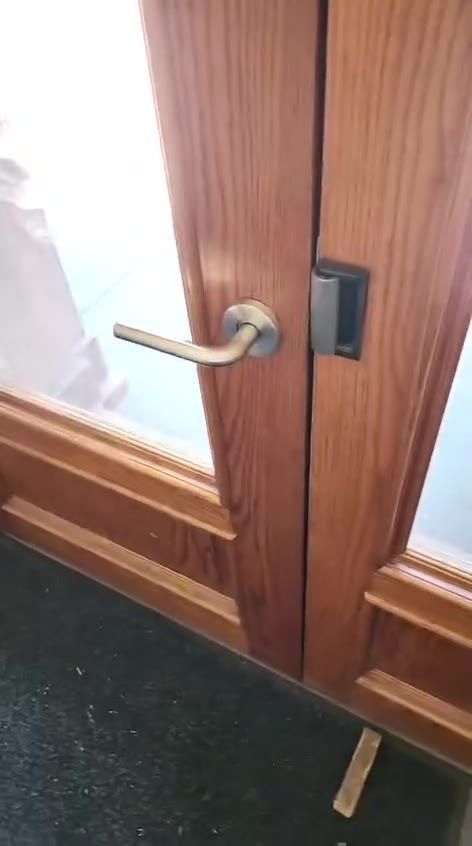
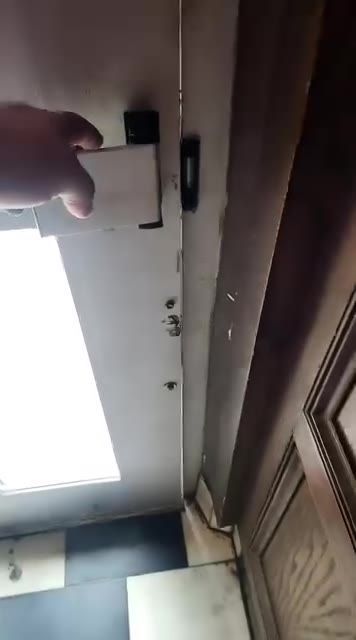
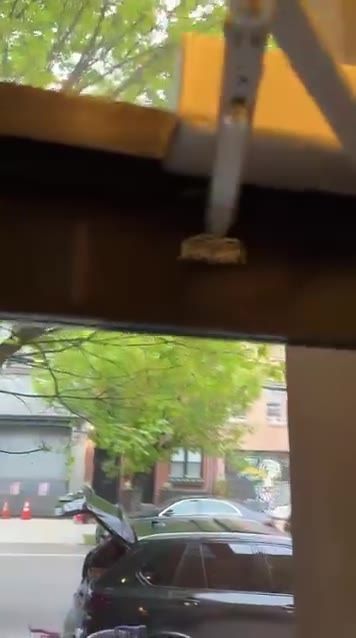
A door that does not close is a lock that does not lock — which is why the humble door closer is the most underrated piece of security hardware on any building. This May we completed a professional door closer installation in Murray Hill and repaired a building front door and closer at 42nd St & 9th Ave in Hell's Kitchen; in June we did a precision closer adjustment as part of the front-door repair on Montague St in Brooklyn Heights, and installed a heavy-duty closer on a TriBeCa exit door. All photographed on our recent jobs page. Licensed NYC #2096389-DCA. Call (917) 495-1990.
Why Closers Decide Whether Your Building Is Locked
Every self-locking door in New York depends on its closer. If the closer is weak, the door drifts and never latches — your "locked" building entrance stands open to anyone. If it slams, the latch bounces and tenants prop the door with a brick, which is worse. The May job at 42nd St & 9th Ave was exactly this story: a building front door that no longer closed reliably, fixed so it latches softly every single time. That is what tenants and inspectors both want, and it is a tuning job as much as a hardware job.
What We Install
Surface-Mounted Closers
The standard for offices, apartment buildings, and storefronts — mounted on the door face or frame, sized by door weight and wind exposure. Sizing is where DIY installs go wrong: an undersized closer never latches a heavy lobby door, an oversized one makes the door a workout machine and an ADA violation. We size to the actual door, not the box label.
Heavy-Duty and Exit-Door Closers
High-traffic and code-critical doors need closers rated for the abuse. The TriBeCa exit door we set up in June — Detex alarm plus heavy-duty closer at Canal St & West Broadway — is the pattern: on an egress door, the closer is part of the life-safety system, because an exit door that stands open is a security hole and one that will not open is a code violation. See panic bar installation.
Concealed and Storefront Closers
Aluminum storefront doors usually run concealed overhead or floor closers, and when they fail the whole door misbehaves — dragging, slamming, refusing to latch into its Adams Rite hardware. We service and replace these along with the storefront locks they protect.
Adjustment: the Fix Everyone Skips
Closers have three adjustments — sweep speed, latch speed, backcheck — and seasons change them: hydraulic fluid thickens in winter, doors swell in summer. A door that slams in January or drifts in July often needs an adjustment, not new hardware. The Brooklyn Heights job on Montague St in June included exactly that precision adjustment. If your closer is leaking oil, though, adjustment is over — the seals are gone and it needs replacement.
ADA and Fire-Door Compliance
Two codes meet at every closer. ADA limits opening force on interior doors, so a closer cranked to maximum to fight a drafty hallway can put you out of compliance. Fire-rated doors must self-close and positively latch — a fire door with a dead closer fails inspection and, worse, fails in a fire. We set closers to satisfy both, and we say so in writing when a building manager needs it for the file.
Part of the Whole Door
We rarely touch a closer in isolation: the same visit usually covers the latch alignment, the strike, hinges, and the lock itself — the way the front door and closer repair at 42nd St & 9th Ave went in May. A door is a system; we leave the whole system working. For the lock side, see commercial lock installation.
Frequently Asked Questions
My building door slams hard — new closer?
Usually not. Slamming is typically a latch-speed adjustment — like the precision adjustment we did on Montague St in Brooklyn Heights this June. The exception: a closer leaking hydraulic oil is dead and needs replacement; adjustment cannot resurrect blown seals.
The front door never fully closes and the building is basically unlocked — is that urgent?
Yes: an entrance that does not latch is an unlocked building. This is the exact job we did at 42nd St and 9th Ave in Hell’s Kitchen this May — closer repaired and tuned so the door latches softly every time.
How do I know what size closer my door needs?
Closer sizing follows door width, weight, and wind exposure — a heavy lobby door on an avenue needs a very different spring size than an interior office door. We size to the actual door on site; wrong sizing is the number one reason DIY closer installs fail or violate ADA force limits.
Do fire doors have special closer requirements?
Yes: fire-rated doors must self-close and positively latch, with listed hardware — an inspector will fail a fire door with a dead or missing closer. We install listed closers and set them so the door both meets ADA force limits and latches reliably.